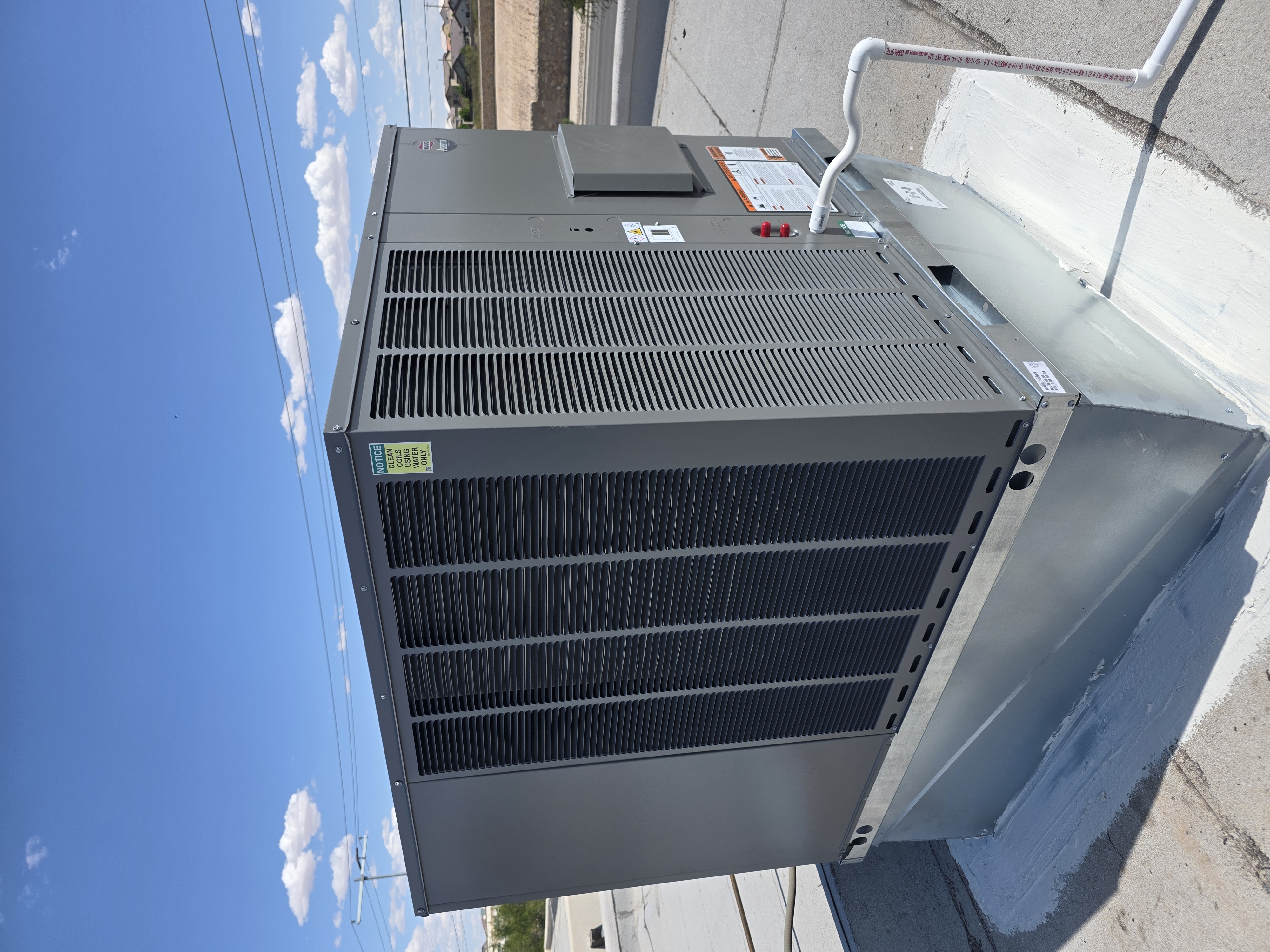
Optimizing Your Home's HVAC System for El Paso's Desert Climate Jul 01, 2026
First, regular maintenance is key. With El Paso’s long summers, your HVAC system works hard and requires consistent upkeep. Scheduling bi-annual maintenance checks can help prevent significant breakdowns. A professional can clean and inspect all components, making sure everything operates smoothly. This maintenance can lead to higher energy efficiency and extend the lifespan of your HVAC unit.
Next, focus on optimizing your thermostat settings. Programmable or smart thermostats are excellent tools for maximizing efficiency. By setting your thermostat to match your daily schedule, you can avoid unnecessary energy usage. Lowering the temperature when you're not home by a few degrees can result in noticeable savings on your energy bills. For El Paso, setting your thermostat at around 78 degrees during the summer when you're at home provides a comfortable setting without overworking the system.
In addition to scheduling and thermostat adjustments, pay attention to your HVAC system’s filters. In a dusty desert climate, filters can quickly become clogged, reducing airflow and efficiency. Typically, filters should be changed every one to three months, but this can vary based on usage and local air quality. If El Paso is experiencing a particularly windy season, check filters more frequently to ensure optimal performance.
Insulating your home is another effective strategy. Proper insulation minimizes the amount of cool air escaping from your home and prevents hot air from getting in. Check your windows and doors for any leaks and consider using weatherstripping or caulking to seal them. Attics can also be a major source of heat gain, so ensure that yours is well insulated. Investing in energy-efficient windows could also be beneficial in the long run.
Don’t overlook the power of ceiling fans. They can help circulate the cold air produced by your HVAC system, allowing you to raise the thermostat by a degree or two without feeling too warm. Remember, fans cool people, not rooms, so turn them off when you leave the room to conserve energy.
Finally, consider zoning your home to cool or heat only the necessary areas. This technique is particularly useful in larger houses where it may not be necessary to condition every single room to the same temperature. By using dampers and separate thermostats, you can control the temperature room by room.
In conclusion, optimizing your HVAC system for El Paso’s desert climate involves a combination of regular maintenance, smart thermostat use, filter changes, home insulation, and strategic use of ceiling fans and zoning. By taking these steps, the El Paso HVAC Team can help you ensure comfort without unnecessarily high energy bills. Whether you’re a long-time resident or new to the area, these strategies will help keep your home comfortable all year round while maintaining your system's efficiency.
/filters:no_upscale()/filters:format(webp)/media/bd0f0ff5-0246-47e7-abe2-3b4f7bd0259d.jpeg)